


Is It Cheaper to Move or Replace a Shed? A Complete Cost Guide for Homeowners
Palladii - October 28, 2026
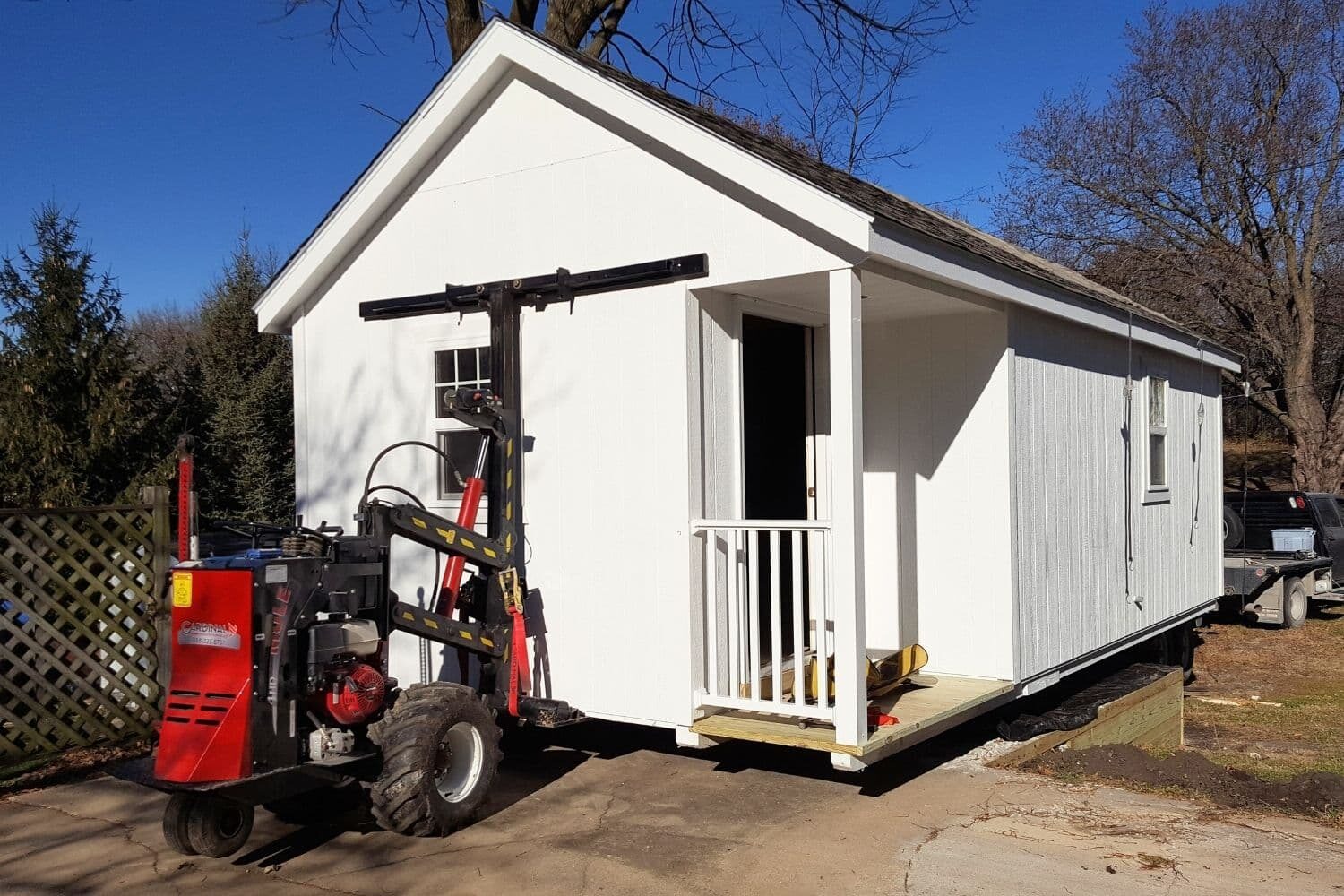
Moving a shed can cost less than replacing it if the building is in good condition and still meets your storage needs. At Kauffman Structures, most on-property shed moves cost $450–$800, while most moves requiring road transport cost $800–$1,500.
These ranges are a starting point for planning. Distance, construction, condition, and shed size affect the final price, and some moves cost significantly more. Here’s what to consider when comparing the cost to move a shed with the cost of buying a replacement.
Average Cost to Move a Shed
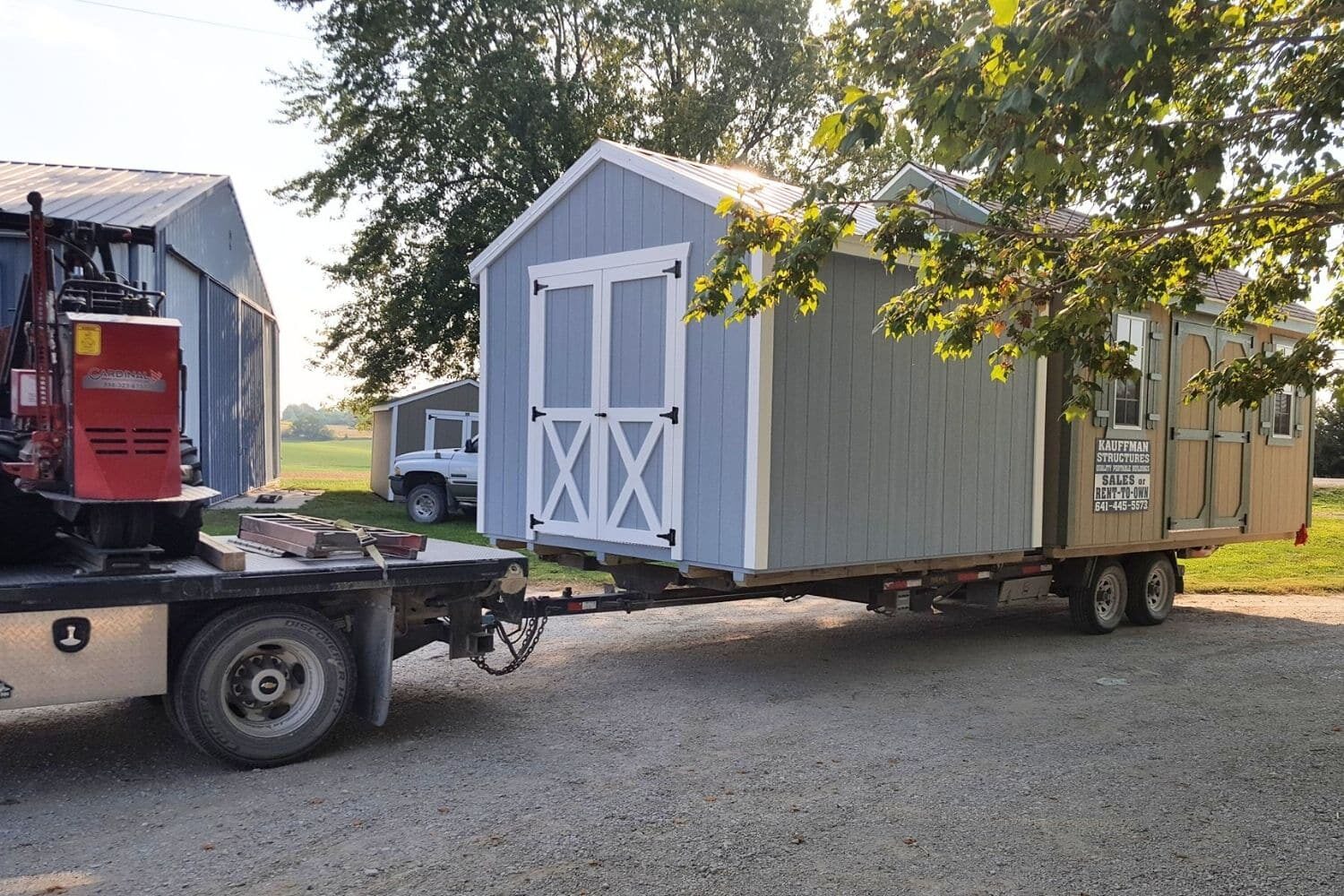
The first distinction is how the shed will travel. Repositioning it on the same property involves different work than loading it for transport to another address.
On average, homeowners can expect to pay:
| Type of Move | Typical Kauffman Structures Price Range |
|---|---|
| On-property move | $450–$800 |
| Move requiring road transport | $800–$1,500 |
These costs usually include:
- Labor
- Professional equipment
- Transportation across your property
- Basic repositioning
Most of our moves fall within these ranges. Extra-long distances, large buildings, and moves requiring escort vehicles can increase the price significantly.
On-Property Shed Moves
An on-property move relocates your shed to another spot on the same property. This may make room for a garage, improve access to storage, or accommodate changes to your yard. Even a short move requires equipment and travel to your property. The shed’s condition and the route between its current and new locations also affect the work involved.
Moves Requiring Road Transport
Moving a shed to another property requires loading, road transportation, and placement at the destination. Pricing depends on both our distance to the pickup location and the distance the shed will travel. The $800–$1,500 range covers most of our road transports, but it is not a maximum. A large shed traveling a long distance or requiring escorts can cost substantially more.
What Do These Price Ranges Cover?
These figures describe typical shed relocation costs. They are not fixed packages or an itemized quote for your project. Do not assume that foundation work, shed repairs or reinforcement, obstacle removal, permits, or escort services are included in the published ranges. Ask for a quote that identifies the work covered and any additional costs or preparation responsibilities.
Average Cost to Replace a Shed

The cost to replace a shed depends on its size, materials, construction, and features. A small prefab shed generally costs less than a large custom building, but a current quote is the best way to compare replacement with moving your existing shed.
Your total replacement budget should account for:
- The new shed
- Removal and disposal of the old building
- Foundation or site preparation
- Delivery and placement
- Any required permits
Compare that total with your shed moving quote, including any repairs or reinforcement the existing building needs. If your shed is structurally sound and still provides enough space, moving it may be the more affordable option.
Key Factors That Affect Shed Moving Costs
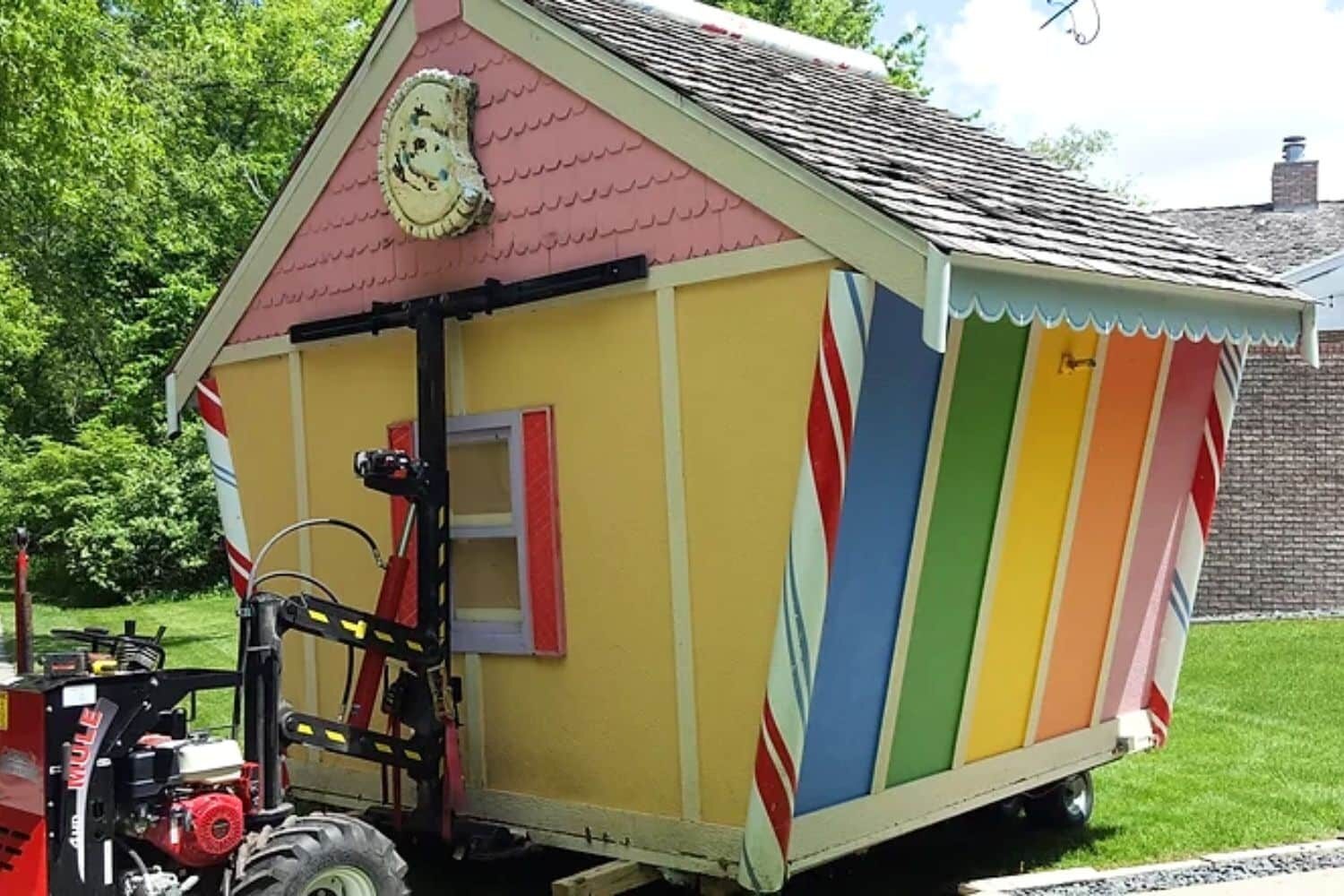
The biggest pricing factors are generally distance, shed condition and construction, and shed size, in that order. Access and site preparation also affect how the move can be completed.
1. Distance
Distance includes our travel to pick up the shed and the distance we move the building. A shed moving only a few feet may still require a substantial trip for the crew and equipment. For road transport, a longer route increases the transportation effort. Extra-long distances can push the price beyond the typical range.
2. Shed Condition and Construction
The way a shed was built affects how it can be lifted, supported, and transported. Its floor, framing, and overall structural condition matter when planning the move. Some older sheds cost more to transport because they need reinforcement. Age alone does not determine if moving is worthwhile; the building’s actual condition is more useful when comparing your options.
Common shed types include:
- Wood sheds
These are often easier to move because they are sturdy and hold their shape well. - Metal sheds
Lightweight but sometimes less stable during relocation. - Vinyl sheds
Durable but may require partial disassembly.
3. Shed Size
A shed’s width, length, and height affect equipment needs and transportation planning. Larger sheds can cost significantly more to move, especially when road transport requires escort vehicles.
| Example Shed Sizes | Pricing Considerations |
|---|---|
| Small sheds, such as 6×8 or 8×10 | Travel distance and structural condition still affect the quote, even for smaller buildings. |
| Medium sheds, such as 10×12 or 12×16 | Dimensions, construction, and access help determine the equipment and work required. |
| Large sheds, such as 12×20 or larger | Larger dimensions may require additional transportation arrangements and can increase costs significantly. |
There is no fixed moving price for each shed size. Most on-property moves cost $450–$800, and most road transports cost $800–$1,500, but large buildings and more complex moves can exceed these ranges. For an accurate quote, provide the shed’s width and length, including roof overhangs, along with its height.
4. Accessibility
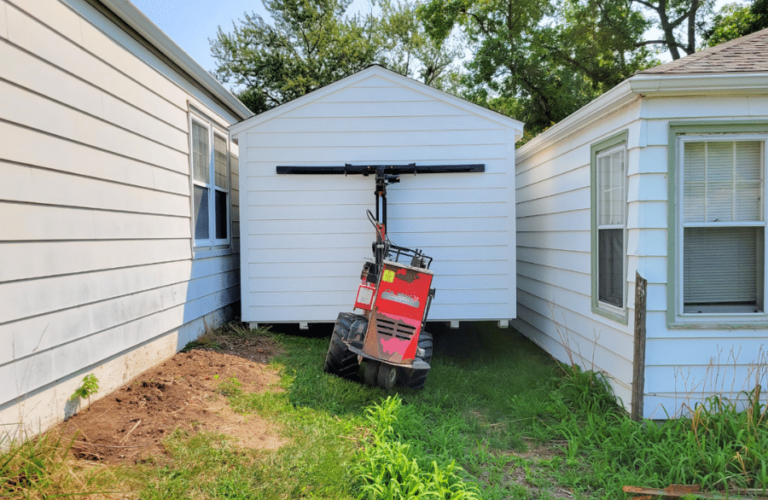
Narrow gates, fences, slopes, trees, and overhead obstructions can complicate access. The crew needs a suitable route to reach the building and place it there. Share photos and describe access limitations when requesting a quote. This helps identify obstacles that need attention before moving day.
5. Preparation
Preparing the destination is part of planning the total project budget. A new pad, grading, drainage work, or clearing the route may add costs beyond the shed relocation itself. Confirm what you need to complete before the crew arrives and which services are covered by your quote.
When Is Moving a Shed the Cheaper Option
| Shed Condition | Recommended Option |
| Shed is structurally sound | Move |
| Shed is damaged or unstable | Replace |
| Under 15 years old | Move |
| Over 15 to 20 years old | Replace |
| Want larger shed or better materials | Replace |
| Moving cost far less than replacement | Move |
| Moving cost close to replacement | Replace |
| Need improved storage capacity | Replace |
Other Costs to Consider
For a move, account for any required repairs, reinforcement, site preparation, and access work. Ask how permit or escort requirements will be handled if they apply to your project.
For replacement, consider the new building, removal of the old shed, delivery, and preparation of the new site. Get current quotes for the size and construction you want so you can make a useful comparison.
Foundation Work
A shed should sit on a stable, level base, such as:
- Gravel pad
- Concrete slab
- Pressure-treated wood foundation
Foundation preparation may cost $200 to $1,500, depending on the size and materials used.
Permits and Local Regulations
Some municipalities require permits for relocating or installing structures.
Local regulations may control:
- Property line setbacks
- Shed height limits
- Total square footage
Checking local codes before starting the project can prevent costly fines.
Landscaping Adjustments
Moving or replacing a shed might require adjustments to your yard, such as:
- Removing plants
- Leveling ground
- Regrading soil
- Adjusting drainage
These additional changes can add to the total project cost.
DIY Shed Moving vs Hiring Professionals

A DIY move may appear less expensive, but equipment rental, transportation, preparation, and potential damage can change the total. A short distance does not guarantee an easy move. Before choosing this option, consider how the shed will be lifted, supported, moved, and placed. Professional assessment is especially useful for large buildings or sheds with uncertain structural condition.
DIY Shed Moving
Common DIY methods include:
- PVC pipe rollers
- Wooden skids
- Floor jacks
- Tractor assistance
DIY moving can cost under $100, but there are risks:
- Structural damage
- Personal injury
- Shed collapse
- Uneven relocation
Large sheds should almost always be moved by professionals.
Professional Shed Movers
Hiring professionals is the safest and most reliable option, especially for medium and large sheds.
Benefits include:
- Safe lifting equipment
- Experienced crews
- Faster relocation
- Reduced risk of damage
In many cases, a professional team can move a shed in a short amount of time with precision and care.
Looking for a New Shed Instead?

A project-specific quote gives you a clearer basis for deciding to move or replace your shed. Provide the pickup and destination addresses, shed dimensions, and photos of the building. Our quote form asks for width and length including roof overhangs, along with the shed’s height. Photos are needed before we can provide a final quote, so include them with your request if available. If replacement is the better fit, explore our storage sheds to compare your options.
Other Blog Posts...

Best Shed Moving Company in Iowa | Why Homeowners Choose Kauffman Structures
Discover why homeowners trust Kauffman Structures, the best shed moving company in Iowa, for safe, reliable shed relocation.
Shed Moving Permits Guide For Iowa, Missouri, & Kansas
Moving a shed might seem like a simple task that shouldn’t call for permits, but you’ll need one in most areas before changing its location. In this article, we’ll explain why this is the case and outline what Iowa, Missouri, and Kansas cities require so you can move your shed without worry.
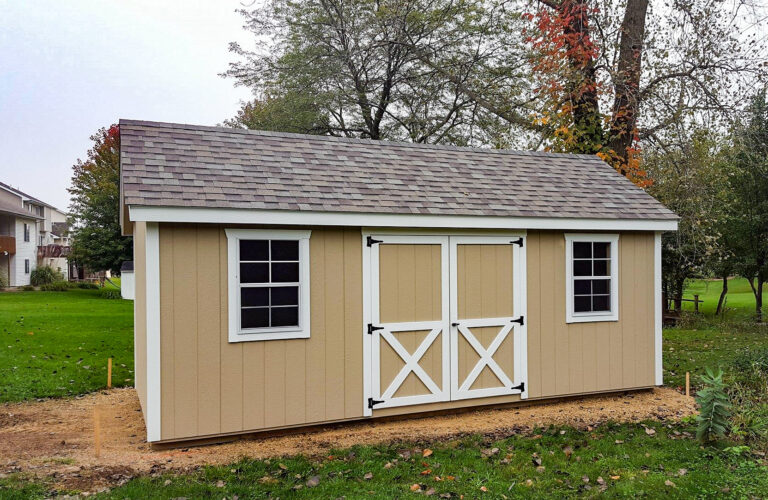
12×20 Sheds: A Complete Guide
One of our top-selling shed sizes, the 12×20 shed offers the perfect way to enhance your backyard or property. With its versatility, a 12×20 shed can serve various purposes, from traditional storage to serving as your hobby space or even a home gym or she shed.


